




What Are Ball Bearings and Why Are They So Widely Used?
2025-11-03 16:04
When it comes to machinery, one small yet powerful component plays a huge role in ensuring smooth operation — ball bearings. Whether in automotive engines, household appliances, or heavy industrial machines, these tiny rolling elements make motion possible with minimal friction. So, what makes ball bearings so essential, and how are they connected to other bearing types like insert ball bearings or thrust roller bearings? Let’s dive in.
Understanding the Basics of Ball Bearings
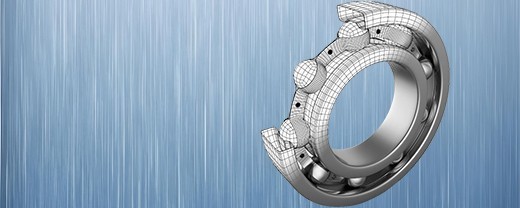
A ball bearing consists of smooth steel balls placed between two rings called the inner and outer races. The main purpose is simple — to reduce friction and support both radial and axial loads. Because of their simple yet effective design, ball bearings are known for durability, efficiency, and versatility.
If you’ve ever used a fan or opened a drawer, you’ve probably already interacted with this brilliant invention. It’s honestly kinda amazing how something so small can handle such heavy loads!
The Working Principle: Smooth Motion, Less Heat
Ball bearings work by allowing the balls to rotate freely between the inner and outer raceways. This rolling motion replaces sliding friction with rolling friction — which is much lower. As a result, machines run smoother and cooler.
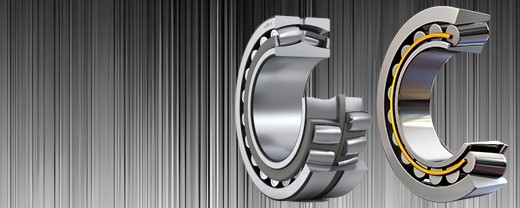
Compared with thrust roller bearings, which are designed mainly for axial loads, ball bearings can handle both directions effectively. This versatility is the main reason why they are found in almost every modern mechanical system.
Types and Applications of Ball Bearings
There are several types of ball bearings, including:
Deep Groove Ball Bearings – the most common type, ideal for high-speed and low-noise operations.
Angular Contact Ball Bearings – handle combined loads and are often used in pumps or gearboxes.
Self-Aligning Ball Bearings – useful where shaft misalignment might occur.
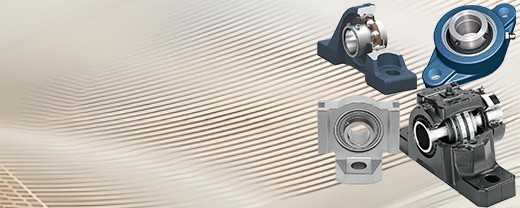
Insert Ball Bearings – designed for easier installation and maintenance, often used in agricultural or construction machinery.
From electric motors to medical devices, these bearings are everywhere. They are also compatible with crossed roller bearings in systems that demand high rigidity and precise motion.
Advantages of Ball Bearings
The biggest advantages include:
Low friction and energy loss
Smooth, stable operation
Long service life with proper lubrication
Easy installation and replacement
Moreover, modern manufacturers have introduced advanced sealing and lubrication technologies to make bearings more resistant to dust, heat, and corrosion — a huge plus for industrial users.
Choosing the Right Ball Bearing for Your Machine
Selecting the correct type depends on your application’s load type, rotation speed, and operating environment. For instance, insert ball bearings are perfect for equipment where you need frequent maintenance, while thrust roller bearings work better for heavy axial load systems.
So, before purchasing, always check the load rating, lubrication options, and manufacturer reliability. And yes, working with a trusted China ball bearing manufacturer or bearing supplier can save you tons of time and cost.
Ball bearings may look simple, but their engineering precision drives the modern world. From cars to conveyor belts, they ensure that motion stays smooth, quiet, and efficient. If you’re already using insert ball bearings, exploring different bearing structures like deep groove or angular contact types might further improve your system performance.
Related News
More >-
Ceramic Bearings in Electric Motors: Are They Worth It?
-
Ball Bearings vs Roller Bearings: Which Is Better for Electric Motors?
-
When Should You Use Roller Bearings Instead of Ball Bearings in Heavy Machinery
-
How Do You Choose Between Ball Bearings and Roller Bearings for Different Applications?
-
Why Are Ball Bearings Still the Most Versatile Choice in Modern Machinery?
-
How to Select the Right Bearing for Different Industrial Applications?
-
How Do Ball Bearings Improve Energy Efficiency in Modern Machinery?
-
Why Do Ball Bearings Make Machines Last Longer?
Get the latest price? We'll respond as soon as possible(within 12 hours)