






How to Select the Right Bearing for Different Industrial Applications?
2025-12-01 15:17
Choosing the right bearing can make or break your machinery’s performance. If you’ve been following our previous blogs, you already know how ball bearings improve efficiency, reduce friction, extend life, and even save energy. But with so many options—deep groove ball bearings, thrust roller bearings, insert bearings, wheel bearings, crossed roller bearings—how do you make the right choice for your industrial application? Let’s break it down.
1. Understand the Type of Load
Bearings are designed to handle different kinds of loads:
Radial load: Force applied perpendicular to the shaft. Most deep groove ball bearings handle this well.
Axial load: Force applied along the shaft axis. Thrust ball or roller bearings are ideal here.
Combined load: Some machines require bearings that can handle both. Angular contact ball bearings are designed for this purpose.
Knowing the load type is the first step to avoid premature failure.
2. Consider Speed and Rotation Requirements
High-speed applications demand bearings that minimize friction and heat. For example:
High-speed motors benefit from ceramic ball bearings or precision deep groove ball bearings.
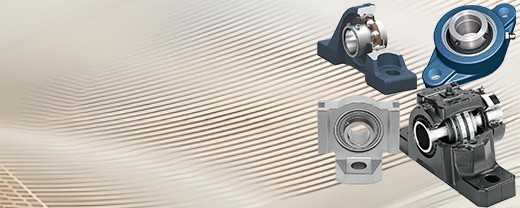
Moderate-speed mounted units can rely on insert ball bearings.
Sometimes people forget speed ratings, and that’s exactly when bearings fail early—so always check manufacturer specifications.
3. Factor in Operating Environment
Environmental conditions play a big role:
Temperature extremes: Use high-temperature bearings or ceramic variants.
Contamination (dust, dirt, moisture): Sealed solutions like auto seals, bonded seals, or industrial seals are essential.
Corrosive or wet environments: Stainless steel or coated bearings may be necessary.
Environmental considerations also tie back to our previous discussion on preventing bearing failure.
4. Maintenance and Service Life
Some bearings require more maintenance than others:
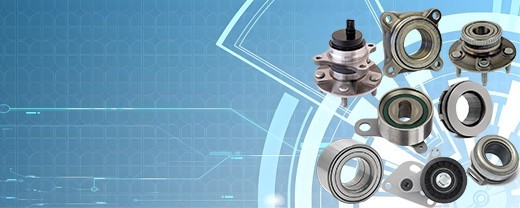
Wheel bearings and insert bearings are relatively easy to maintain but need periodic lubrication.
High-speed or thrust roller bearings may require precise lubrication schedules and monitoring for vibration or heat.
Remember, sometimes the bearing system are overlooked during routine checks, which can cause unexpected downtime. Proper maintenance planning is crucial.
5. Special Applications
Certain industrial machines have unique needs:
Excavators, tractors, and heavy machinery: Heavy-duty tapered roller bearings, thrust roller bearings, or excavator bearings handle large loads.
Textile machines and precision tools: Require low-friction, high-speed insert or deep groove ball bearings.
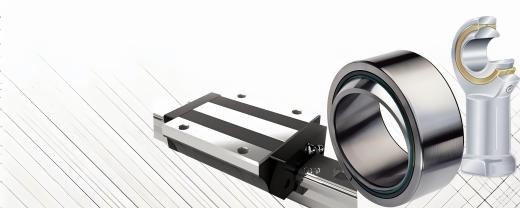
Slewing and joint mechanisms: Use crossed roller bearings for precise rotation under varying loads.
Matching the right bearing type ensures maximum performance and longevity.
6. Connect to Our Previous Articles
Here’s how this fits into our content matrix:
Article 1 & 2: Applications and benefits of ball bearings.
Article 3: Energy efficiency improvements.
Article 4: High-speed machinery performance.
Article 5: Causes of failure and prevention.
This Article: Selection guide for different industrial applications.
By reading the full series, customers gain a complete understanding—from usage, efficiency, speed, failure prevention, to correct selection.
Selecting the right bearing isn’t just about buying a part—it’s about ensuring smooth operation, long service life, and energy efficiency. By considering load type, speed, environment, and maintenance needs, you can choose the right ball bearing, thrust roller bearing, insert bearing, or specialized bearing for any industrial application.
Related News
More >-
Ceramic Bearings in Electric Motors: Are They Worth It?
-
Ball Bearings vs Roller Bearings: Which Is Better for Electric Motors?
-
When Should You Use Roller Bearings Instead of Ball Bearings in Heavy Machinery
-
How Do You Choose Between Ball Bearings and Roller Bearings for Different Applications?
-
Why Are Ball Bearings Still the Most Versatile Choice in Modern Machinery?
-
How Do Ball Bearings Improve Energy Efficiency in Modern Machinery?
-
Why Do Ball Bearings Make Machines Last Longer?
-
Where Are Ball Bearings Used in Daily Life?
Get the latest price? We'll respond as soon as possible(within 12 hours)