






When Should You Use Roller Bearings Instead of Ball Bearings in Heavy Machinery
2025-12-15 11:39
When selecting bearings for heavy machinery, many buyers start with a common question: should I choose ball bearings or roller bearings? Both types are widely used across industries such as mining, construction, steel processing, agriculture, and power transmission. However, their performance characteristics are quite different. Understanding when roller bearings are the better choice than ball bearings can help you improve equipment reliability, extend service life, and reduce downtime in demanding applications.
In this article, we will explain the differences in a practical, easy-to-understand way, focusing on real operating conditions in heavy machinery. Meanwhile, we’ll naturally connect this topic with earlier discussions about ball bearings and bearing applications.
Understanding the Core Difference: Rolling Elements Matter
At a basic level, the difference comes down to the shape of the rolling elements.
Ball bearings use spherical balls.
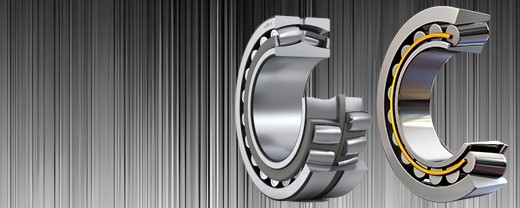
Roller bearings use cylindrical, tapered, spherical, or needle-shaped rollers.
Because rollers have a larger contact area with the raceway, they distribute loads more evenly. As a result, roller bearings are generally better suited for high-load and shock-load environments, which are common in heavy machinery.
That said, ball bearings still have their place. But when loads increase and conditions become tougher, roller bearings usually step in.
Heavy Loads: The Primary Reason to Choose Roller Bearings
One of the clearest reasons to use roller bearings instead of ball bearings is load capacity.
Roller bearings can handle:
Higher radial loads
Combined radial and axial loads (especially tapered and spherical roller bearings)
Repeated shock loads from uneven or impact-heavy operations
In equipment such as excavators, rolling mills, crushers, gearboxes, and large motors, ball bearings may wear out too quickly. Roller bearings, on the other hand, are designed for these demanding situations, and they handles heavy loads better over long periods.
So if your machinery regularly operates under heavy pressure, the choice becomes pretty obvious.
When Shock and Vibration Are Constant Issues
Heavy machinery often works in harsh environments: uneven terrain, sudden starts and stops, material impacts, or fluctuating loads. These conditions create shock and vibration that can shorten bearing life.
Roller bearings—especially spherical roller bearings—are more tolerant of:
Misalignment
Shaft deflection
Sudden load changes
This makes them ideal for applications like mining conveyors, construction equipment, agricultural harvesters, and rolling mill systems. Ball bearings, while precise and efficient, are more sensitive to these stresses.
In real-world operations, that difference matters a lot.
Slower Speeds, Higher Stability
Another key factor is operating speed.
Ball bearings are excellent for high-speed applications, such as electric motors or light industrial equipment. However, heavy machinery usually runs at moderate or low speeds, where torque and load are far more important than speed.
Roller bearings perform exceptionally well in these conditions:
Stable operation under load
Lower risk of surface fatigue
Longer service intervals
If speed is not your top priority, but strength and durability are, roller bearings are often the smarter option.
Application Examples in Heavy Machinery
Let’s look at where roller bearings are commonly preferred:
Excavator bearings for swing mechanisms and track systems
Rolling mill bearings in steel and aluminum production
Gearbox bearings handling high torque
Tractor and harvester bearings exposed to dirt, vibration, and heavy loads
Machine tool bearings for rigid structural support
In these applications, ball bearings might work at first, but they may fail earlier than expected. Roller bearings provide that extra margin of safety.
Cost Considerations: Short-Term vs Long-Term
It’s true that roller bearings often cost more upfront. However, in heavy machinery, total cost of ownership matters more than initial price.
Roller bearings can:
Reduce maintenance frequency
Minimize unexpected downtime
Extend equipment service life
In other words, you may pay more at the beginning, but you save money in the long run. And honestly, that’s what most industrial buyers care about.
How This Connects to Ball Bearings
As discussed in previous articles about ball bearings, they remain an excellent choice for:
High-speed operation
Low to moderate loads
Precision-driven equipment
The key is not choosing one over the other blindly, but selecting the right bearing for the right job. Heavy machinery usually pushes ball bearings beyond their comfort zone, and that’s exactly where roller bearings shine.
Final Thoughts: Making the Right Bearing Choice
So, when should you use roller bearings instead of ball bearings in heavy machinery?
Choose roller bearings when:
Loads are heavy or impact-based
Operating speeds are moderate or low
Shock, vibration, or misalignment is present
Long-term durability is critical
Making this decision correctly can significantly improve machine performance and reliability. And if you’re sourcing bearings globally, working with an experienced China bearing manufacturer or supplier can help you match the right bearing type to your application requirements.
Related News
More >-
Ceramic Bearings in Electric Motors: Are They Worth It?
-
Ball Bearings vs Roller Bearings: Which Is Better for Electric Motors?
-
How Do You Choose Between Ball Bearings and Roller Bearings for Different Applications?
-
Why Are Ball Bearings Still the Most Versatile Choice in Modern Machinery?
-
How to Select the Right Bearing for Different Industrial Applications?
-
How Do Ball Bearings Improve Energy Efficiency in Modern Machinery?
-
Why Do Ball Bearings Make Machines Last Longer?
-
Where Are Ball Bearings Used in Daily Life?
Get the latest price? We'll respond as soon as possible(within 12 hours)