







What Causes Ball Bearing Failure and How to Prevent It?
2025-12-01 15:15
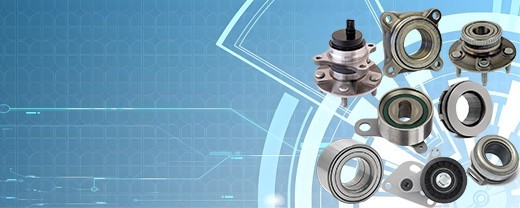
If you’ve read our previous blogs about ball bearings—their everyday applications, how they improve energy efficiency, and their role in high-speed machinery—you know how essential they are. But even the best ball bearings can fail if not selected, installed, or maintained properly. Understanding the causes of failure is crucial for anyone working with insert ball bearings, wheel bearings, thrust roller bearings, or other types.
Let’s break it down in a way that’s easy to understand.
1. Common Causes of Ball Bearing Failure
Ball bearings may look simple, but a lot can go wrong if proper care isn’t taken. The main causes include:
• Improper Lubrication
Lubrication is key. Too little, too much, or using the wrong type can cause bearings to overheat or wear prematurely. Grease or oil must match the speed, load, and temperature conditions of the application.
• Contamination
Dirt, dust, or moisture entering the bearing can lead to surface damage and rough rotation. Even tiny particles can create pitting and scratches inside the bearing.
• Misalignment
Improper mounting or shaft alignment can put uneven stress on the balls and raceways. Misalignment is often overlooked, yet it’s one of the biggest reasons for early failure.
• Overloading
Every bearing type has its load capacity. Using a wheel bearing or insert ball bearing beyond its design limits will shorten its life. Sometimes, people don’t realize the machine loads are higher than expected.
• Fatigue
Even with perfect conditions, bearings can fail over time due to metal fatigue. Repeated stress cycles create micro-cracks, eventually leading to spalling or flaking.
2. How to Prevent Ball Bearing Failure
Prevention is always better than replacement. Here’s what to do:
• Choose the Right Bearing Type
Select bearings according to load, speed, and environmental conditions. For instance:
Deep Groove Ball Bearings for high-speed, light-to-medium loads
Thrust Roller Bearings for heavy axial loads
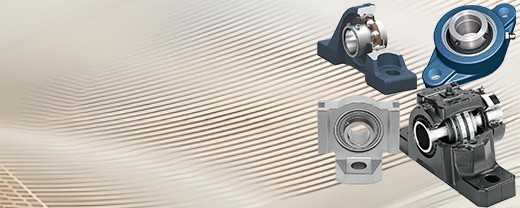
Insert Ball Bearings for mounted units with moderate speed and radial load
This ensures your bearings are not pushed beyond their limits.
• Proper Lubrication
Use the correct lubricant and refill or replace it at recommended intervals. This reduces friction, heat, and wear. Remember, even a high-quality bearing won’t last if it’s not properly lubricated.
• Install Correctly
Follow manufacturer guidelines for alignment and mounting. Even a small misalignment can lead to vibration and premature failure.
• Protect Against Contaminants
Seals such as auto seals, industrial seals, or bonded seals help keep dirt and moisture out. This is especially important in agricultural machinery, textile equipment, and outdoor industrial applications.
• Regular Inspection
Monitoring noise, vibration, and temperature can catch early signs of wear. Sometimes the bearing system are noisy but the operator ignores it—don’t be that person!
3. Linking to Other Bearings We Discussed
Understanding failure prevention connects naturally to our previous topics:
Wheel Bearings: Prevent overloading and misalignment in vehicles.
Insert Ball Bearings: Ensure correct mounting and lubrication in mounted housings.
Thrust Roller Bearings: Monitor axial load and temperature for long-term reliability.
High-Speed Ball Bearings: Pay attention to alignment, lubrication, and heat in motors or spindles.
All of these bearings follow the same core principles: proper selection, installation, lubrication, and maintenance.
4. Conclusion
Ball bearing failure is preventable. By understanding causes like misalignment, overloading, contamination, and poor lubrication, you can choose the right bearing type and maintain it effectively. Whether it’s a wheel bearing in a car, a thrust roller bearing in heavy machinery, or a high-speed insert bearing in a motor, the right practices make your machinery run longer, quieter, and more efficiently.
Linking this to our previous blogs, you now have a solid picture: from applications, to energy efficiency, to high-speed performance, and finally failure prevention—a complete guide for any customer looking for reliable solutions.
Related News
More >-
What Are the Differences Between Ball Bearings and Roller Bearings?
-
Why Do Ball Bearings Play a Critical Role in High-Speed Machinery?
-
Why Ball Bearings Are the Backbone of Modern Machinery
-
Insert Ball Bearing vs Pillow Block Bearing: What's the Difference?
-
What Is a Wheel Bearing and Why Does It Matter for Vehicle Safety?
-
How Do Motor Bearings Keep Your Machines Running Smoothly?
-
How Do Gearbox Bearings Improve Efficiency and Reliability in Machinery?
-
How Do Wheel Bearings Keep Your Vehicles Running Smoothly?
Get the latest price? We'll respond as soon as possible(within 12 hours)